
Tara, You’re very welcome to Writers Chat where we’re talking about The Bitter Kind, a flash novelette filled with emotion, sensual and sensory writing. I was sorry it was so short; I really wanted more! In the future we may talk about collaboration – and there are other reviews which focus on this – but for now, as I’ve previously featured James in this Writers Chat series (2019 ) it is great to be able to focus on your work, Tara, which is new to me.

SG: Let’s start with you as a writer. How does The Bitter Kind fit into your repertoire?
TM: Thanks for your kind words on our little novelette. And I’m so glad it left you wanting more! I hope that’s a good thing. Bitter Kind developed first as a collaborative flash fiction story for the online journal Counterexample Poetics, then was developed into a longer work. We didn’t quite make it to novella length.
I’ve mostly published short stories of various lengths and a novel, but am very comfortable writing compressed prose as I began writing in the vignette form. I’ve done collaborative work with artists, but this was my first collaboration with a prose writer.
SG: That sounds like it both slotted into your writing while also providing a new way of working. I was curious about the categorisation of The Bitter Kind as a “flash novelette”. Can you tell me about the process of letting go – knowing when the writing ends even when the story doesn’t – in other words deciding that it was flash and a novelette.
TM: I think I answered how it became flash, as that’s how it began. It was a very short prose piece and people wanted more of Brandy and Stela, so we decided it would be a fun exercise to expand it. I don’t think we even questioned continuing in the flash format, but we did discuss length and knew we did not want to make a commitment to a novel, so decided on a novella.
It’s hard for me to make the process of ending stories sound intellectual and intentional. It was instinctual. Part 2 was written with greater speed between sections to try to make it feel more spontaneous, and we were just writing back and forth, letting the characters go where they wanted to go, and mine (Brandy) just seemed to finish after that one question (which I’ll not mention as I don’t want to spoil it for readers).
There are all kinds of endings, but the strongest ones resonate. That’s what I try for. If it resonates in my body (I actually feel it within, a sort of vibration), then I stop, no matter what could follow. Perhaps my long-time experience as an editor gives me more confidence in knowing where to end.
SG: Let’s talk about the expanse of this novelette. Part 1 covers 1942 – 1982 and begins with Stela whose closest friend is “worry” – for good reasons as readers will discover – and who, we’re told, “dreamed of being eighteen so she could leave the house and make a life for herself”. It moves on to Brandy who “for hours…sometimes stands” and can “hear the trees crying and moaning” and who finds that “it is easy to love a ghost who asks nothing of you.” I wondered about the dates because for most of the novelette I felt I was in a place that was timeless and yet the Part 2 – July 24th 1982 – when Stela and Brandy meet felt very much rooted in its time, almost a coming together of character, time and place.
TM: I think you got that feeling for two reasons. As mentioned, it was previously a flash story and that story was a shorter variation of Part 2. So we already had a general ending. Instead, we had to write the back story and get the characters set up to meet. We knew we needed dates to ground the reader a bit, so I came up with the two parts. The second reason you felt a shift is because we did want to give more import to their meeting.
SG: Very interesting about wanting ensure the reader was very definitely led – emotionally and in the narrative thread – to the meeting. Both Stela and Brandy experience the brutality of parents who don’t know how to love their children – this forms part of their identity along with the disconnection/deep connection to home and to place which they both hope will be solved with their fast marriages. Can you talk about how identity in The Bitter Kind is formed and re-formed as Stela and Brandy move through and across the country?
TM: Thanks for your perceptive reading! So glad you asked about this. I see them as two very different personalities. Brandy is more rooted and actually does not leave the state of Montana until their meeting. I think he knows more who he is than Stela does, yet they both have similar needs that go unmet. Stela is desperate to find her place and escape, and makes the age- old mistake of looking to the opposite sex to save her and cover her wounds. Brandy is more likely to withdraw into himself and the landscape. I think that’s why their movement internally and externally leads to Bitter Kind’s conclusion.
SG: I also loved the tone of The Bitter Kind and parts of the prose – the dream-like atmosphere – reminded me of the writings of Clarice Lispector. Could you talk a little about your literary influences?
TM: Thank you so much. I’ll have to look up Lispector, I don’t know her work. I have never consciously tried to write like other writers. I’ve tried to develop my own voice, but for sure, I think my two biggest influences are dramatically different, Flannery O’Connor and Rick Bass. Also, Joseph Conrad. I know those sound like an odd assortment. But early on I fell in love with short stories after reading O’Connor’s A Good Man Is Hard to Find. I loved her rural, grounded, dark, twisty take. She was brave to write as she did. Then I absolutely loved Heart of Darkness. Not so much the horrible story, but the whole atmospheric journey into the darkest part of the human soul as framed by the jungle, and narrated by a powerful voice. Then I read The Watch by Rick Bass, and I think that was the first time I read a writer who mirrored how I look at the world as a writer, through the lens of wilderness and place and a bit of mysticism. I don’t believe I write stylistically as they do (I wish I could), but I admire them all very much. In terms of flash influences, I think Yasunari Kawabata and Jayne Anne Phillips are at the top of a very long list of wonderful flash writers I admire who also emphasize place and push boundaries. I’m much more experimental in my flash work than in my longer stories or novels.
SG: Oh you will love Lispector! And Bass is a new writer for me so thank you for that recommendation. So, lastly, Tara, some fun questions:
- Short story or flash? Both!
- What are you currently reading? Robert Scotellaro’s flash collection What Are the Chances? and Kristin Erikssdottir’s novel A Fist or a Heart
- What do you most miss in this Covid-19 world? A good meal with friends and family, with no fear or restrictions.
- What’s next in your world of writing? A second WW II novel, set in the States. I love historical fiction and research and love finding little-known stories within stories. I feel like a history detective sometimes!
I look forward to reading your work in the future, Tara. Thank you so much for joining me for in my Writers Chat series and I wish you all the best with The Bitter Kind.
Connect with Tara on her website , on Goodreads, on Instagram @TaraLynnMasih
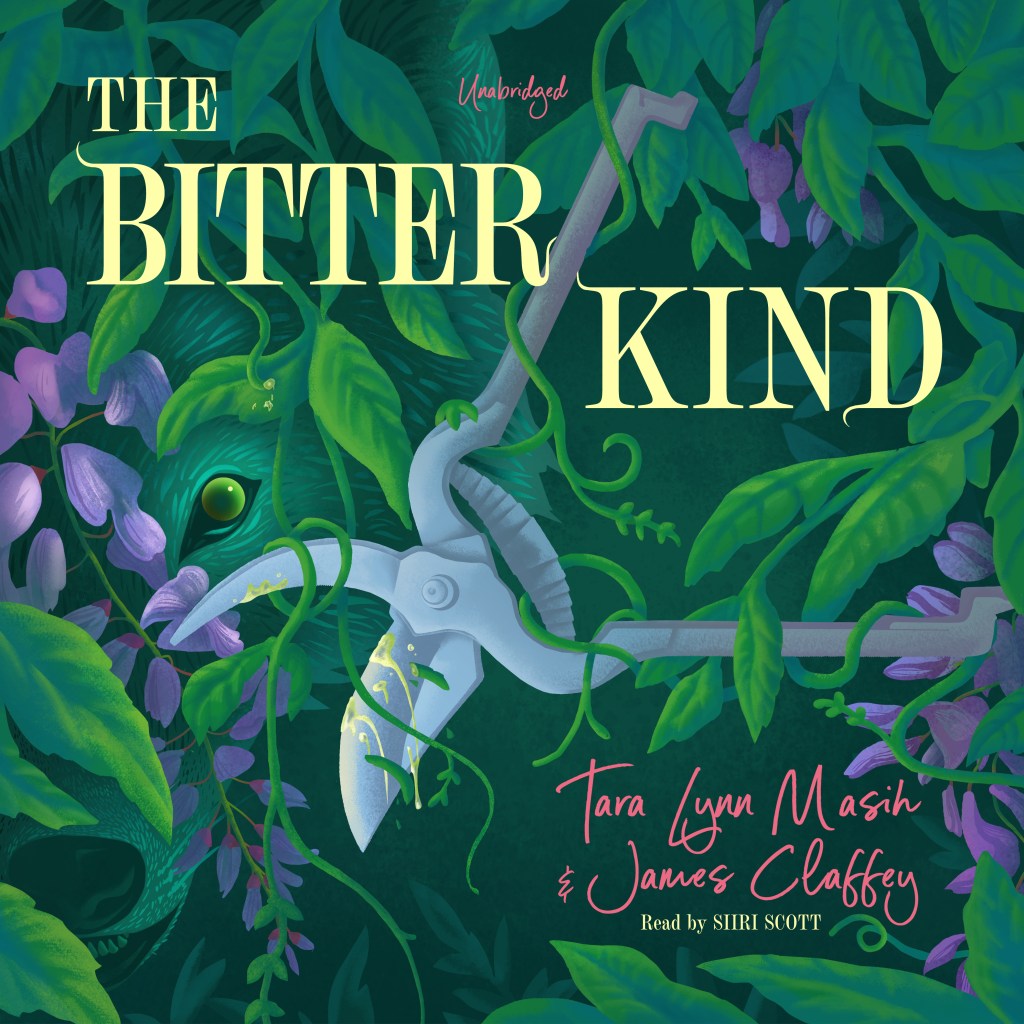
The Bitter Kind will be available on Amazon US October 2, and an audio version will launch on October 13 from Blackstone Audio. International readers can purchase directly from Cervena Barva Press (in the M’s for Masih).




 Shauna Gilligan Writer